 |
 |

|
||||||||||||||
 Vertebrate Environments - Vertebrates Slideshow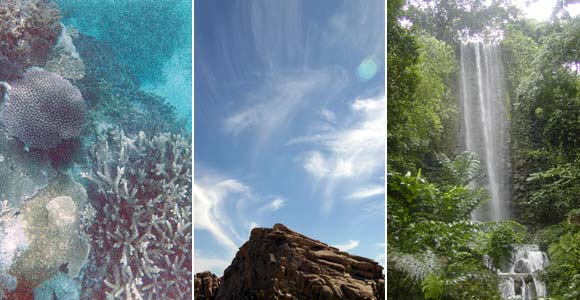
That's the quick overview of vertebrates. Instead of finishing off the slideshow with more images of these animals, we want you to think about the places that you will find them. You already know that plants, protists, fungi, and invertebrates can be found in any ecosystem. With only 57,000 species, vertebrates have also been able to successfully colonize and conquer the planet. The waters and oceans of the Earth are home to species of fish and amphibian. Is that it? No way. There are also reptiles in the form of alligators, turtles, and water snakes. You will find birds that include terns, albatross, and penguins. There are even mammals that live most of their lives in the water. When you look around you will see whales, seals, and cute little otters. What about the air? Birds are easy to find up there. What about fish? Some fish can hop out of the water, but you won't find them living in the skies. Reptiles? Most scientists believe that birds developed from specialized dinosaurs. Any true reptiles left up there? We don't think so. Finding mammals in the skies might not be easy, but they are there. Bats are the easy answer although there are several mammals that can glide (like squirrels). Vertebrates on land are easy to find. While only one species of fish, you can find lungfish spending some of their lives on land. The rest are easy to find. Frogs, caecilians, and salamanders round out the amphibians. Birds are flying overhead and probably eating a few of those amphibians. Lizards, snakes, and turtles are found in all but the arctic and high altitude locations of the Earth. What about mammals? Ummm. Most mammals live on the land or in the trees found on land. They are also found deep in the caves below ground. We're not going to list them. We're done. The vertebrates are all around you. If you get bored studying vertebrates that are alive, we encourage you to study the fossil record and learn about extinct species. There might be an armored fish or a saber-toothed cat that catches your attention. There is an unlimited supply of new things to learn. Image Credit: Andrew Rader Studios 
|

|
|||||||||||||||
|
RETURN TO TOP or Search for more information... * The custom search only looks at Rader's sites. |
|||||||||||||||
 Go for site help or a list of life science topics at the site map!
©copyright 1997-2014 Andrew Rader Studios, All rights reserved. Current Page: Biology4Kids.com | Activities and Slideshows | Vertebrates |
||||||||||||||||
|
** Andrew Rader Studios does not monitor or review the content available at external web sites. They are paid advertisements and neither partners nor recommended web sites. Specific links for books on Amazon.com are only suggested starting points for further research. Please browse, research options, and choose the appropriate materials for your needs. |
||||||||||||||||